Why your scrappy AI prototype might just be the best brief we’ve had
We’ve spotted an interesting trend in the last few months in how prospective clients bring their ideas to us.
More and more, they arrive with something already built. A working prototype or v1 concept knocked together in Lovable, ChatGPT or one of the many other tools that make it completely possible for a non-developer (or ‘vibe coder’ if you’re down with the kids) to go from idea to something functional in a couple of days. Three new enquiries in the last fortnight alone, and another going through the studio as I write this.
The conversation tends to go something like: “I know what I want, I’ve had a go at building it myself, but I’ve hit a wall and I need someone to build it properly now.”
A year ago, you might have expected an agency like ours to find that threatening. The narrative around AI and the creative industries has been pretty relentless on that front. Your lunch is being eaten. Your job won’t exist in five years. There’s even an ad that keeps appearing in my LinkedIn feed encouraging business owners to “sack them all and scale anyway.” Lovely stuff.
In truth, it’s not playing out that way at all.
Clients who arrive with an AI prototype can actually make for better projects. Here’s why.
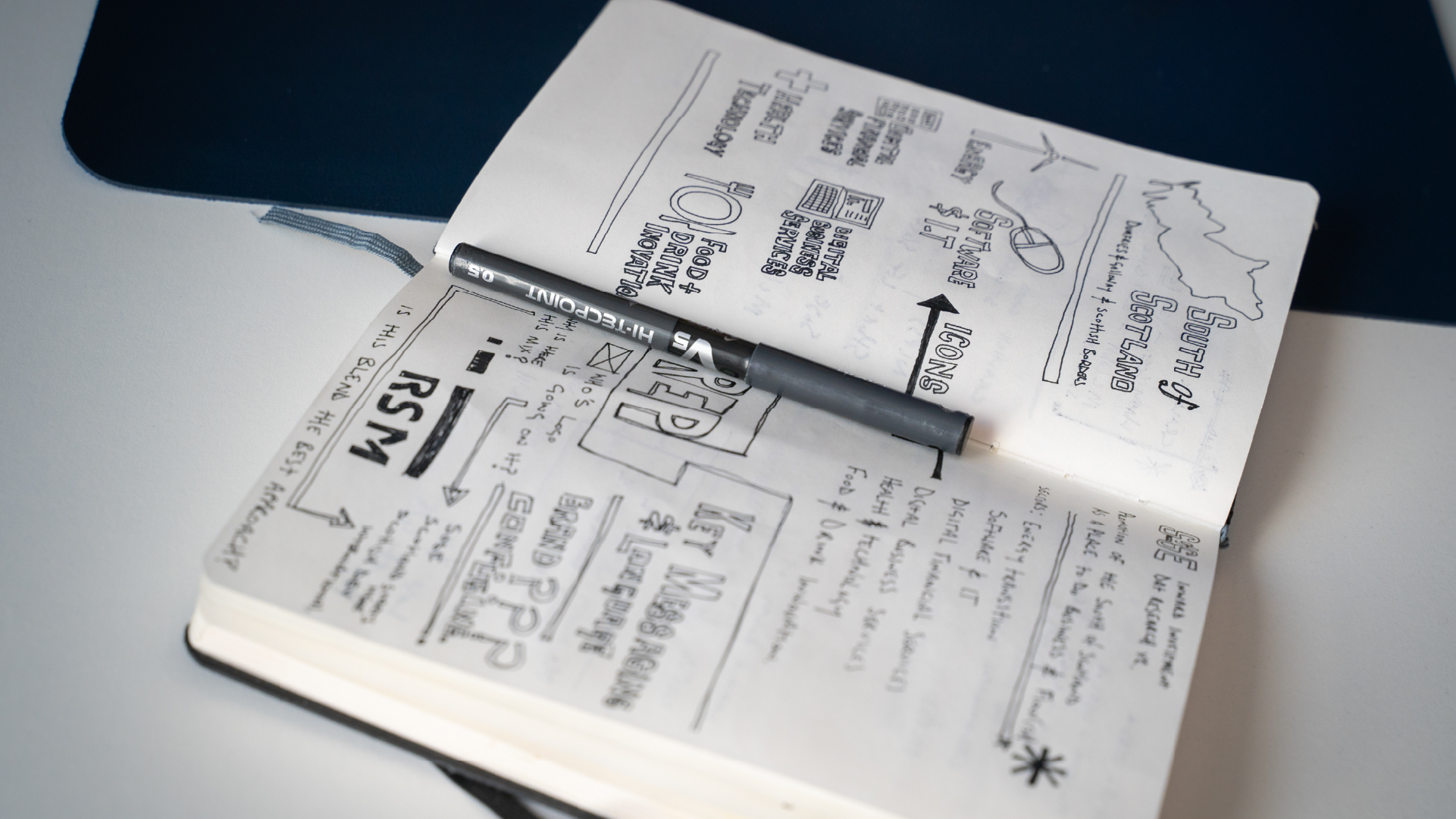
They’ve already gone down the rabbit holes. The “actually, can we just…” changes of direction, the scope creep that traditionally destroys budgets and timelines, the realisation that what they thought they wanted wasn’t what they actually needed. All of that donkey work has already happened, on their own time, before they’ve come to see us.
They’ve tested their own assumptions, figured out the frustrations from their first attempts and arrived with a much clearer idea of what they want. That makes for a tighter brief; a more efficient discovery process; and a project that’s far less likely to wander off into the murky world of out of scope and over budget.
Seriously: what’s not to love?*
(*Putting to one side the enormous energy resources needed to power these AI tools, just for a moment.)
It also makes for a more collaborative conversation from the start. When a client can show us something tangible – even if it’s a bit rough around the edges – it’s so much easier to talk honestly about what works, what doesn’t, and what a properly built version should do differently. We’re not starting from a blank page and some brain-farts. We’re starting from a shared point of reference. Our job moves straight from “carefully extracting what’s in your head” to “right, let’s make you the best version of this.”
And that’s where bringing in professional, seasoned designers, engineers and developers makes the real difference between a janky prototype that’ll fall over under pressure or leak your customers’ data, and something that actually solves the problem you set out to address.
As we’ve always said about AI: the tools are incredible. But you have to know what ‘good’ looks like at the end.
And we do.
None of this means an AI tool did our job, or stole it. Quite the opposite.

What these tools produce is almost always a proof of concept. A bigger, more interactive version of the sketches and wireframes we used to work from. Something that demonstrates an idea, but wouldn’t survive real world use, real traffic, real people or real security requirements. The gap between a Lovable prototype and a production-ready website or application is significant. Bridging that gap properly is exactly what we’re here for.
It’s also, if we’re honest, very similar to how some of our best internal projects have developed at Creatomatic over the years.
We’ve had the luxury of Kit’s cavalier approach to prototyping (he’s genuinely one of the best around at producing a proof of concept from a half-baked idea scribbled on the back of a receipt) and, crucially, a team of seasoned designers and developers who can take it, sand down the edges, carefully pick out the bits of broken glass and turn it into something clean, efficient and production-ready.
Our WordPress framework that now powers hundreds of client websites came from this approach. So did the tool used to write our proposals, our SuperControl toolkits (which now help generate tens of millions of pounds worth of online bookings every year) and our own project management, client portals and support systems.
Good ideas deserve to be built properly.
If you’ve got something started in Lovable or similar and you’re ready to take it further, we’d love to see what you’ve got.